







Search Results for: Coffee Brewing Water Temperature
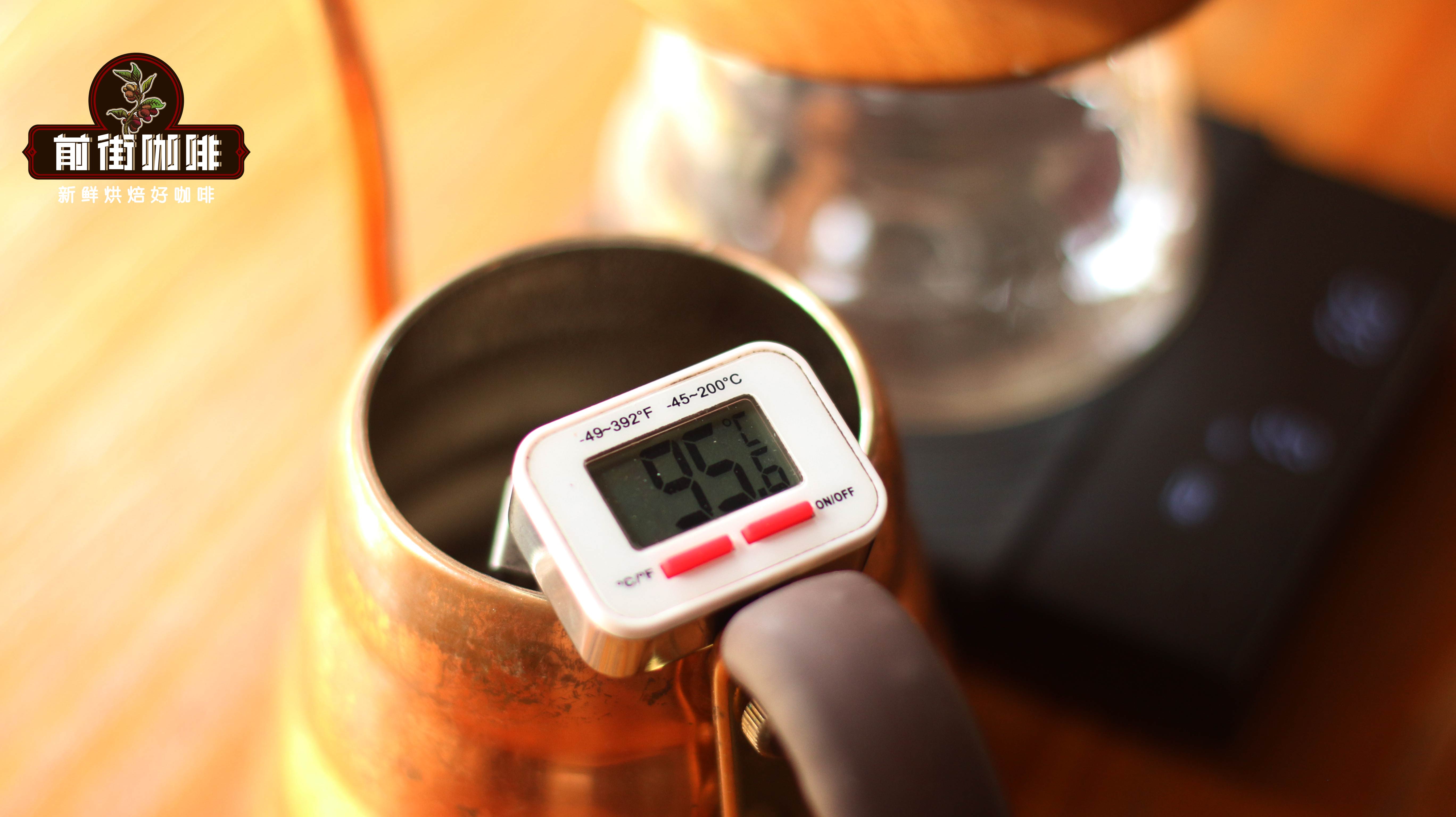
Pour-over Coffee Brewing Temperature | What water temperature should be used to brew light and dark roast coffee beans? Is there a difference between brewing parameters and actual water temperature? Does water temperature affect coffee extraction?
For more specialty coffee knowledge, please follow: Front Street Coffee (Frontsteet Coffee) What water temperature is needed for brewing pour-over coffee? Currently, the mainstream recommended brewing temperature is between 86°C and 93°C, with higher temperatures used for light roasts and lower temperatures for dark roasts. Once, at [more…]
Why Extract Coffee at Different Temperatures? Analyzing Three-Temperature Variable-Temperature Brewing and Pour-Over Water Temperature Selection
In pour-over coffee, when extraction parameters are too high, it is usually possible to dial them back, but if over-extraction is caused by too many fines from the grinder, adjusting parameters alone is often not enough to solve the problem. In this case, sifting out the fines or adopting variable-temperature brewing are both response options recognized by Front Street Coffee. This article will focus on variable-temperature brewing: it is not a minor adjustment of 2~3°C, but rather segmented extraction with a larger temperature differential, controlling the dissolution rhythm of flavor compounds through high-temperature fast extraction and low-temperature slow release. The article will trace the origins of this method, analyze the championship cases of Wu Zelin and Emi, explain how to use cold water to regulate temperature and achieve a variable-temperature operation that starts high and ends low, and share in detail the practical process of the "Devil Brewing Method" by Tetsu Kasuya, which Front Street Coffee favors. [more…]
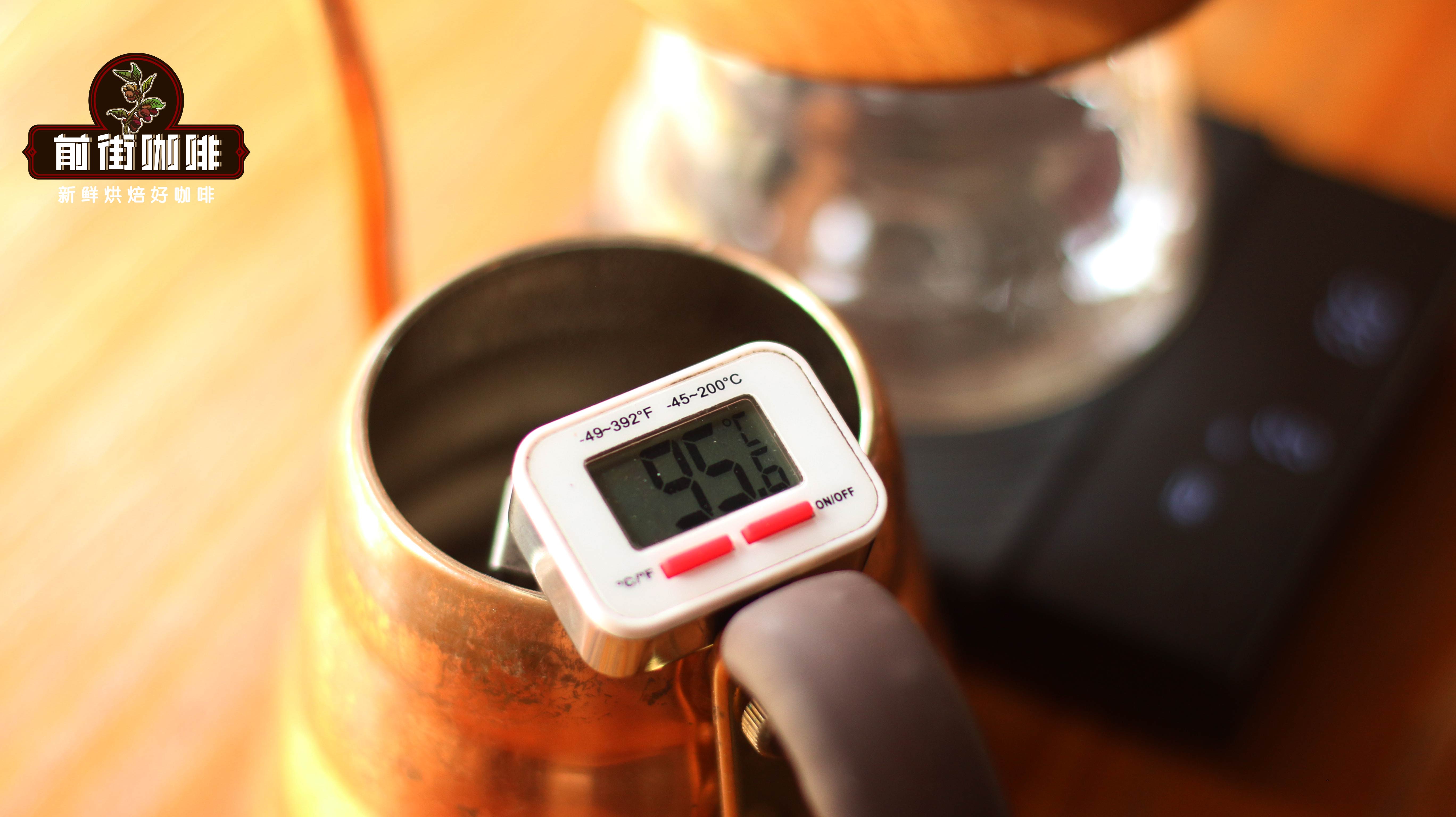
What Is the Ideal Water Temperature for Pour-Over Coffee? An Analysis of the Difference Between Brewing Water Temperature and Actual Extraction Temperature
When brewing pour-over coffee, what temperature should the water actually be set to? Mainstream recommendations fall between 86°C and 93°C—light roasts suit higher temperatures, while dark roasts are better with lower water temperatures. However, the initial water temperature in the pour-over kettle does not equal the actual extraction temperature when it contacts the coffee grounds. Through actual testing, Front Street found that when the water temperature in the kettle is 90°C, the temperature participating in extraction within the coffee bed only remains around 84.5-86°C, with a clear gap between the two. This temperature difference mainly comes from the coffee grounds absorbing heat, the dripper absorbing warmth, and the water flow losing heat as it is exposed to air. As long as you deliberately raise the height of the water stream during the pouring stage, you can accelerate the temperature drop, bringing the effect of a 93°C initial water temperature close to 90°C during extraction. Understanding the relationship between the set parameter temperature and the actual extraction temperature helps you adjust flexibly in daily brewing and consistently present your ideal flavor. [more…]
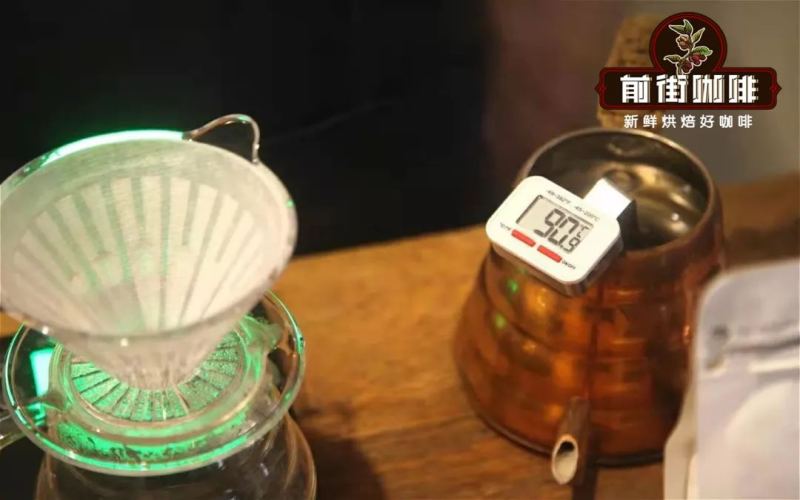
Brewing Water Temperature | The Relationship and Difference Between Pour-Over Coffee Brewing Water Temperature and Coffee Flavor: How to Determine the Pour-Over Water Temperature
I wonder if everyone has heard this saying: pour-over is easy to get started with but hard to master. It means that anyone can brew coffee, but wanting to brew a delicious cup of coffee freely and according to your own vision is actually very difficult. There aren't many factors that affect pour-over coffee, and among them, water temperature is one of the four major elements of brewing. Hand [more…]
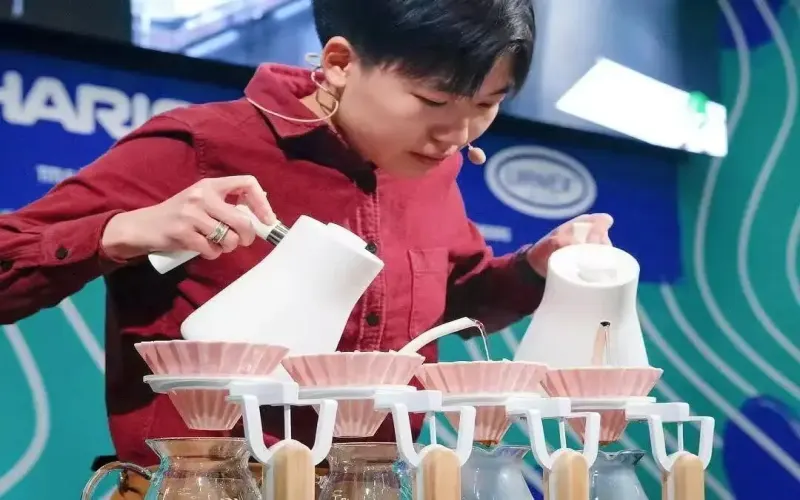
Temperature Variation Techniques in Coffee Brewing: Three Low-Temperature Water Methods to Unlock Geisha's Floral Aroma and Sidra's Fruity Notes
In recent years at the World Coffee Brewing Championship, competitors have frequently used low-temperature water for brewing, and even champion brewers have shared similar approaches. In fact, this isn't truly cold water, but a variable-temperature brewing method using water cooler than conventional hot water—extracting coffee in stages with multiple water temperatures to regulate the speed and amount of soluble compounds dissolving, thereby achieving the ideal flavor. This article shares three common and practical variable-temperature brewing methods: the bloom variable-temperature method, the final-stage variable-temperature method, and the immersion variable-temperature method. Using Panama Geisha and Finca La Frontera Sidra as examples, Front Street provides detailed parameters such as water temperature, grind size, and coffee-to-water ratio to help you easily try it at home. [more…]
What temperature should you actually use for pour-over coffee? An analysis of the relationship between brewing temperature and actual extraction temperature
What temperature range should be used for pour-over coffee water? The mainstream recommendation is 86°C to 93°C—use higher temperatures for light roasts and lower them appropriately for dark roasts. But did you know that the initial water temperature in the pouring kettle is not the same as the actual extraction temperature the coffee grounds come into contact with? Through a set of temperature-measurement experiments, Front Street Coffee found that when brewing with an initial temperature of 90°C, the actual extraction temperature in the coffee bed is only between 84.5-86°C. Starting from actual test data, this article will analyze the relationship between water temperature and extraction, and share a practical tip for changing the extraction temperature by adjusting the pouring height, helping you control the brewing flavor more precisely. [more…]
How Should You Set the Water Temperature for Pour-Over Coffee? An Analysis of the Relationship Between Brewing Temperature and the Actual Extraction Temperature in the Coffee Bed
What temperature should the water be for pour-over coffee? Mainstream recommendations fall between 86°C and 93°C; lightly roasted beans suit higher temperatures, while darkly roasted beans suit lower ones. But the water temperature in the brewing kettle and the actual extraction temperature that comes into contact with the coffee grounds are not the same thing. Through measured data, this article shows how the temperature inside the coffee bed changes starting from initial temperatures of 90°C and 93°C, and how raising the pouring height affects the actual extraction temperature. At the same time, drawing on Front Street Coffee's brewing parameters for beans of different roast levels, it helps coffee enthusiasts understand and apply water temperature more accurately in their daily brewing. [more…]
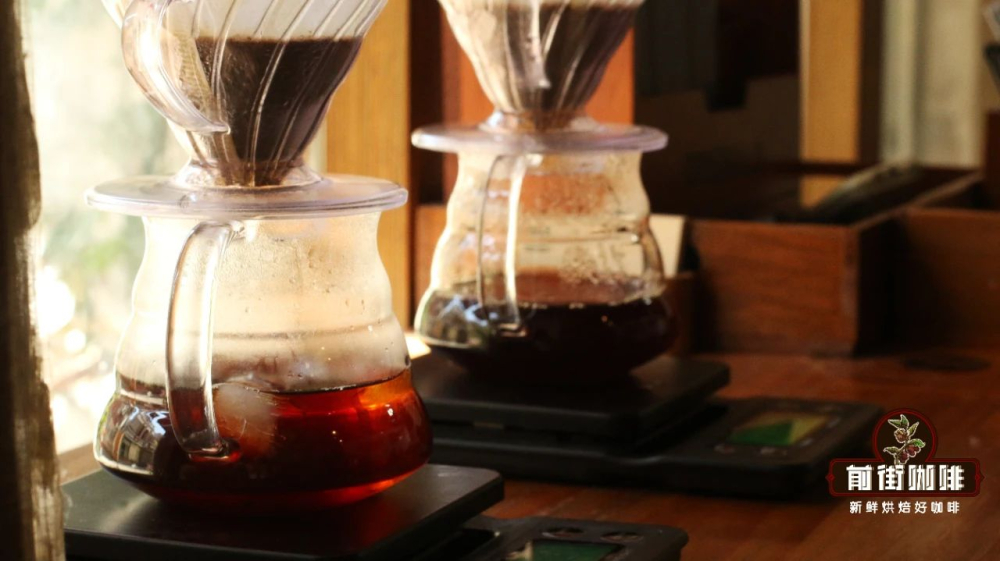
Pour-over Coffee Brewing Tips | What Is the Ideal Water Temperature for Pour-over Coffee? How Does Brewing Water Temperature Affect the Flavor and Mouthfeel of Pour-over Coffee?
If you ask whether water temperature is important for extraction, Front Street Coffee believes it is important, but not that important. As a tool for adjusting the extraction rate, the higher the temperature, the easier it is to extract soluble substances, but because too high a water temperature will cause coffee to quickly release bitterness, a conservative range should be chosen. Generally speaking, the vast majority on the market [more…]

Hand-brewed coffee variable-temperature brewing method: How different water temperatures affect flavor layers and extraction results
In the world of pour-over coffee, water temperature has never been a fixed parameter. At world-class brewing competitions, many competitors use variable-temperature brewing, precisely steering the flavor direction of the coffee by using different water temperatures at different stages. Front Street Coffee conducted a set of comparative experiments using the same Panama Elida Typica beans, brewing them with three approaches: constant temperature, high temperature in the early stage followed by a temperature drop in the later stage, and low temperature for blooming followed by high temperature in the later stage and then a temperature drop. They measured concentration and evaluated the flavor. The results showed that variable-temperature brewing can significantly change the acidity, sweetness, and aftertaste of the coffee. This article will walk you through the operating techniques, experimental data, and flavor differences of variable-temperature brewing, helping you control your pour-over parameters more flexibly. [more…]
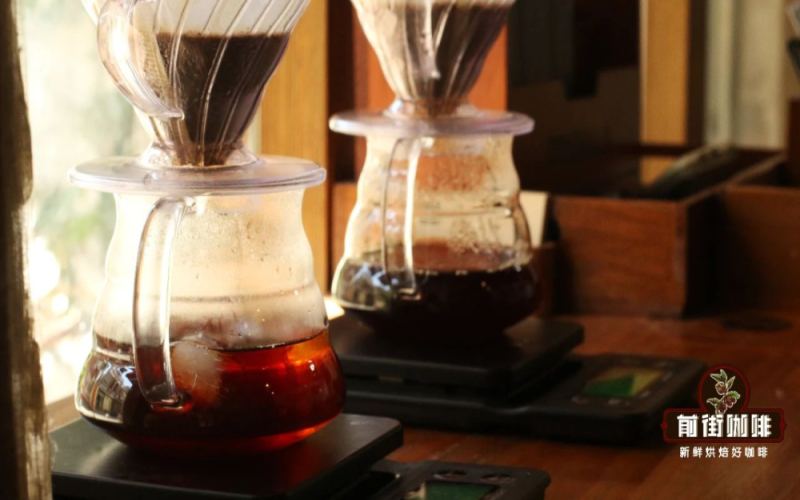
How to Choose the Water Temperature for Pour-Over Coffee? From Extraction Principles to Variable-Temperature Brewing, Understanding the Impact of Temperature on Flavor in One Go
What role does water temperature actually play when brewing coffee? Front Street Coffee believes that while it is crucial, it is not the only factor determining flavor. The higher the temperature, the faster the extraction of soluble substances, but excessively high water temperatures quickly bring out bitterness, so adjustments need to be made within a safe range. Most coffee beans are suitable for brewing at water temperatures of 86–93°C, though the specific setting should be flexibly adjusted based on the growing region, roast level, and flavor goals. This article will move from the basic range and common misconceptions to the variable-temperature brewing methods that have become popular in recent competitions, and analyze Wu Tsung-Lin's three-temperature brewing method to help you accurately grasp temperature as a variable. [more…]

Coffee Brewing Water Temperature | What water temperature is suitable for drip coffee brewing? How does water temperature affect the extraction process of pour-over coffee?
For more specialty coffee knowledge, please follow: Front Street Coffee (Frontsteet Coffee) Many friends in their daily lives, when brewing pour-over coffee, do not use a thermometer and brew a coffee bean with an approximate water temperature, and then because the taste is different every time, they start to question whether it is the coffee bean. [more…]

How to Choose the Water Temperature for Pour-Over Coffee? A Detailed Explanation from Dissolution Principles to Brewing Practice of Temperature's Influence on Flavor
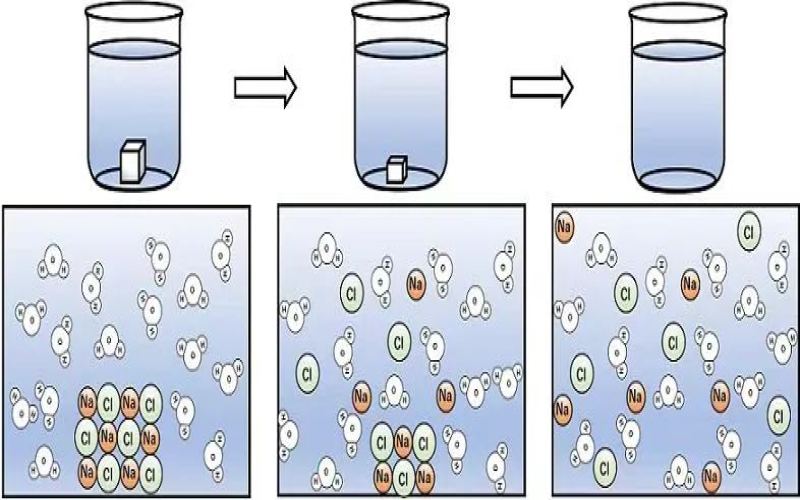
What water temperature is actually suitable for pour-over coffee? Does a higher temperature always mean better extraction? Starting from everyday dissolution phenomena, this article explains how water temperature affects coffee extraction efficiency, and uses cupping immersion experiments and pour-over comparison data to show how coffee flavor actually performs at different temperatures. The article also explores competition brewers' high-temperature brewing strategies, and why Front Street Coffee recommends a relatively narrow brewing temperature range, helping enthusiasts understand the key role of water temperature in brewing and avoid common misconceptions. [more…]
How Does Water Temperature Shape Coffee Flavor? Key Points for Controlling Brewing Temperature
Water accounts for up to 98% of a cup of coffee, so water temperature largely determines the final flavor direction of the coffee. During brewing, complex chemical reactions take place between water and coffee grounds, and temperature directly affects the extraction efficiency of various substances—from the fruit acids and caffeine released first, to the sweetness that follows, and then to the bitterness that emerges in the final stage, every phase is closely tied to water temperature. In this article, Front Street Coffee systematically sorts out the deep impact of temperature on coffee flavor, and explores why hot-water brewing finds it difficult to compensate for low-temperature shortcomings by extending time or adjusting grind size the way cold brew does, helping coffee enthusiasts understand the importance of water temperature consistency. [more…]

How Does Water Temperature Affect Pour-Over Extraction? Brewing Temperature and Grind Recommendations for Ethiopian Huakui
When brewing the same coffee beans, why do some people use 88°C while others use 93°C or even higher? What role does water temperature actually play in extraction? Starting from everyday conversations at Front Street Coffee shops, this article systematically explains how water temperature affects coffee flavor, mouthfeel, extraction yield, and concentration, and, using floral-forward varieties such as the Ethiopian Huakui, explains how to highlight floral aromas by lowering water temperature, and how to compensate for extraction efficiency with parameters such as grind size and time, helping coffee enthusiasts find a brewing approach that suits them. [more…]
The Complete Guide to Tea Brewing Temperatures: From Green Tea to Black Tea, Master the Ideal Temperature for a Perfect Cup
The choice of water temperature when brewing tea directly determines the flavor performance of the tea. Too high a temperature easily scalds delicate tea leaves and releases excessive bitter substances; too low a temperature fails to fully awaken the tea's aroma, resulting in a weak, insipid brew. Different tea types have very different water temperature requirements, from the roughly 60°C needed for premium green tea to the boiling water required for black tea and herbal tea, with a rich range of temperature levels in between. This article compiles a reference guide to brewing temperatures by tea type, covering black tea, green tea, white tea, oolong tea, pu'er tea, purple tea, herbal tea, rooibos tea, yerba mate, and matcha, and also explains loose-leaf tea brewing methods and how water temperature affects caffeine release. Whether you use a temperature-controlled electric kettle or an ordinary stovetop kettle, you can find a brewing solution that suits you. [more…]
How Should You Set the Water Temperature for Pour-Over Coffee? A Detailed Guide to the Ideal Brewing Temperature for Coffee Beans of Different Roast Levels
Brewing a good cup of coffee—water temperature is one of the key variables. This article uses pour-over coffee as an example to systematically explain the complete process from warming the cup and grinding the beans to blooming and brewing, and focuses on analyzing the optimal water temperatures corresponding to coffee beans of different roast levels. Deep-roasted charcoal coffee and medium-dark-roasted Front Street Blue Mountain have obvious differences in grind size and water temperature settings. The article also provides specific operational details on calculating coffee dose, equipment pairing, and blooming and brewing, helping coffee enthusiasts reliably reproduce a balanced cup of pour-over coffee at home. [more…]
Pour-Over Coffee Brewing Temperature | What Is the Best Water Temperature for Brewing Pour-Over Coffee? Does Brewing Water Temperature Have a Big Impact on Coffee Flavor and Mouthfeel?
For pour-over coffee, most people tend to use higher water temperatures for extraction, because high temperatures not only improve extraction efficiency but, more importantly, bring out a rich, sweet-and-sour aroma and flavor. Basically, the water temperature used for pour-over coffee is rarely below 80°C. So, if you brew coffee below this temperature, is there any [more…]
The Truth About Pour-Over Coffee Water Temperature: Why a Setting of 92°C Is Actually Too Low When It Touches the Coffee Grounds? Pouring Techniques and Adjustment Methods
Many coffee enthusiasts set the water temperature at 92°C when brewing, yet often run into under-extraction. The reason is that as hot water is poured from the kettle and travels to the coffee grounds, heat is constantly lost, so the actual temperature is often lower than the set value. This article will break down the major causes of water temperature loss, including the effects of the kettle neck, air, and dripper material, and offer practical countermeasures such as preheating equipment, lowering the pouring height, and adjusting the water temperature to help you brew a good cup consistently in different environments. The article also uses Front Street Granja Geisha as an example to explain how to flexibly adjust parameters according to ambient temperature, making extraction more reliable. [more…]
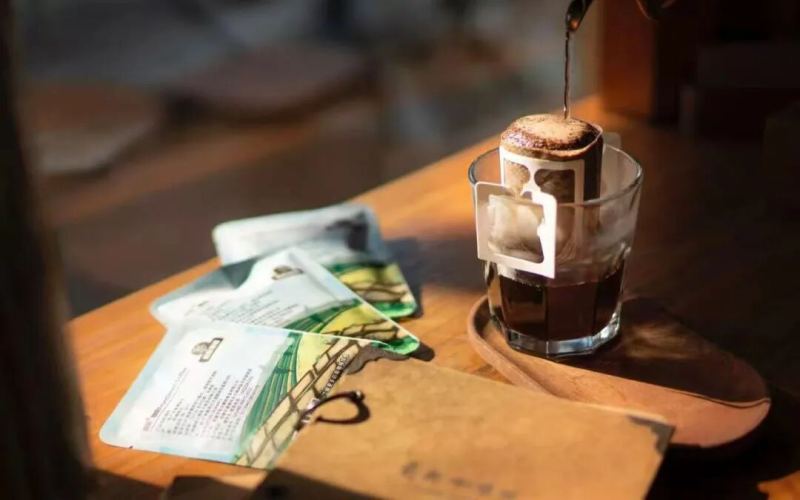
Drip Bag Coffee | What Are the Ideal Water Temperature, Water Amount, and Brewing Time for Brewing Drip Bag Coffee? How Can You Brew Drip Bag Coffee to Taste as Good as Hand-Brewed Coffee?
If we don't want to go through overly complicated coffee-making steps but still want to enjoy the taste of freshly brewed coffee, then drip bag coffee is definitely the most suitable choice. Making drip bag coffee is very simple—no need to grind beans, no need for professional brewing equipment. All we need is a cup and any pouring kettle, and we can [more…]
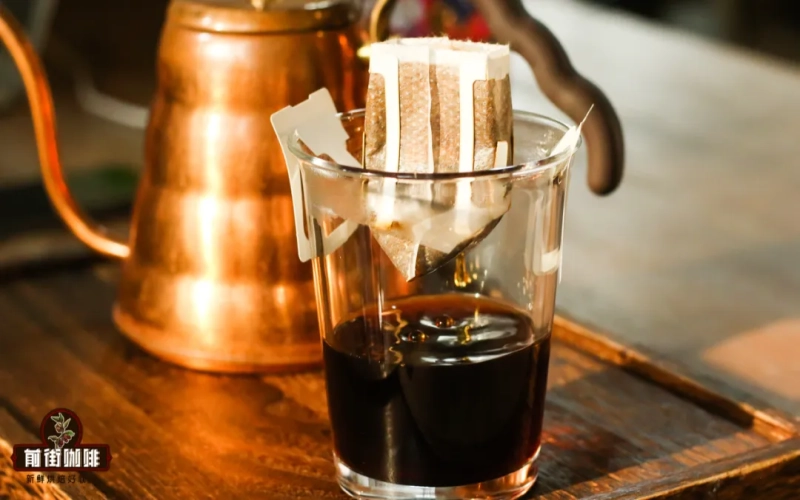
The Complete Guide to Drip Bag Coffee Brewing: Mastering the Three-Stage Control of Water Temperature, Volume, and Time, and Experiencing the Flavors of Front Street's Five Producing Regions
Drip bag coffee has become the top choice for many people during business trips, office work, and travel thanks to its convenience—no need to grind beans or use professional equipment. However, many people encounter problems such as weak flavor, sharp acidity, or noticeable astringency when brewing. In fact, as long as you master the three key parameters of water temperature, water volume, and brewing time, you can make a cup of coffee close to pour-over quality with a drip bag. This article will explain, one by one, the different water temperature requirements for light and dark roasts, the conversion method for a 1:15 coffee-to-water ratio, visual pouring techniques when no scale is available, and the complete process of pouring in 3~4 stages, blooming for 30 seconds, and a total time of about 2 minutes. It will also introduce the flavor sequence of Front Street Coffee's classic five-origin drip bag coffee, helping beginners get started easily. [more…]